
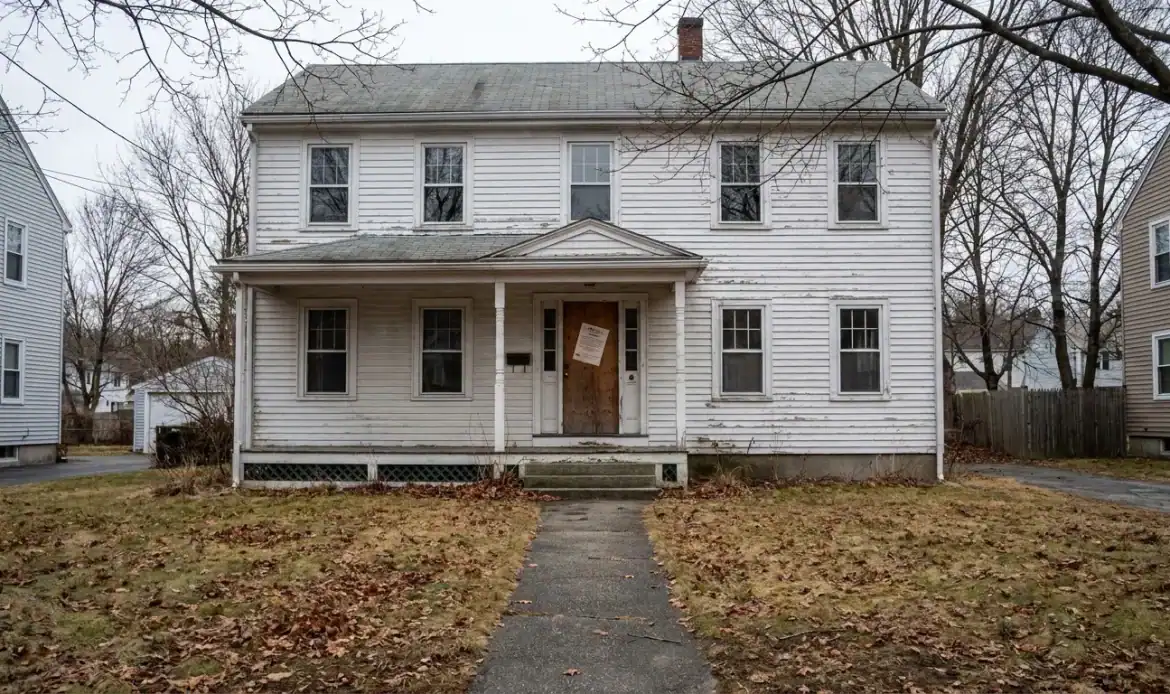
Understanding Foreclosure When You Live in Leominster
Key Takeaways: Massachusetts is a nonjudicial foreclosure state, meaning lenders rely on a "power of sale" clause rather than court judgment, governed by MGL Chapter 244. Foreclosures proceed through power of sale auction or the less common foreclosure by entry, and a completed sale can permanently bar a homeowner’s interest. Homeowners have pre-sale protections, including a 90-day right to cure under § 35A and lender good faith loss mitigation duties under § 35B. Key notices like the Notice of Intention to Foreclose under § 17B and homestead protections under Chapter 188 signal when you can intervene. Bankruptcy can pause a scheduled auction through the automatic stay, with Chapter 13 allowing repayment of arrears. Acting early, especially before auction, preserves the widest range of options.
If you are a homeowner in Leominster facing the loss of your home, understanding how the Massachusetts foreclosure process works gives you real leverage. Massachusetts is a nonjudicial foreclosure state, meaning lenders do not need a court judgment to sell your home. Instead, they rely on a "power of sale" clause in your mortgage. Understanding the timeline, required notices, and your rights can mean the difference between losing your property and protecting it.
Homeowners have several statutory protections and legal windows to act before a sale becomes final. This article breaks down each stage so you can make informed decisions early.
📞 Ready to protect your home? Call Hines Law Offices at 978-840-1929 or reach out through our contact page for a consultation.

How the Massachusetts Foreclosure Process Works
The massachusetts foreclosure process is governed by state statute rather than court supervision. Massachusetts foreclosures fall under the foreclosure and redemption of mortgages statute, MGL Chapter 244, which applies statewide, including in Leominster and Worcester County. Because the process moves without judicial oversight, homeowners must proactively assert their rights.
There are generally two primary methods lenders use, each with distinct procedural requirements and serious consequences.
Nonjudicial Foreclosure Under the Power of Sale
Most Massachusetts foreclosures proceed through the power of sale clause embedded in the mortgage. Under MGL Ch. 183, § 21, upon default the mortgagee may sell the property at public auction on or near the premises, provided they first comply with mortgage terms and governing statutes. Once completed, that sale permanently bars the mortgagor and anyone claiming under them from any right or interest in the property.
The procedural steps for power of sale, including notice and publication requirements, are set out in MGL Ch. 244, § 14 and § 15, which also require post-sale recording of an affidavit. Because a properly conducted sale can extinguish your rights permanently, acting before auction is critical.
💡 Pro Tip: Keep every letter, notice, and envelope your lender sends. Dates and delivery methods can matter enormously if you later need to challenge whether the foreclosure followed required statutory procedures.
Foreclosure by Entry
Massachusetts also permits a less common method known as foreclosure by entry. Under MGL Ch. 244, § 1, a mortgagee may take possession by open and peaceable entry after a breach. If possession continues peaceably for three years from recording the memorandum or certificate, it forever forecloses the right of redemption.
This method operates on a longer horizon than power of sale auction. Lenders often pursue both entry and sale as parallel tracks, so homeowners should not assume a quiet period means the risk has passed.
Your Rights Before a Foreclosure Sale
Massachusetts law provides homeowners meaningful protections designed to prevent avoidable foreclosures. These rights are not self-enforcing; you must recognize and assert them within specific windows. Courts interpret statutory requirements carefully, and lenders who fail to comply may face challenges.
Below are key pre-sale protections that frequently make a difference for Leominster homeowners.
The 90-Day Right to Cure
Before a lender may accelerate the mortgage balance, most residential borrowers have a statutory right to cure the default. Under MGL Ch. 244, § 35A, a residential mortgagor generally has a 90-day right to cure, granted once per five-year period. Required pre-acceleration notice must be delivered by hand or by first-class and certified mail.
This 90-day window is often the most valuable early opportunity to explore alternatives, whether reinstating the loan, negotiating a modification, or preparing a bankruptcy filing.
Good Faith Loss Mitigation
Lenders are required to make a genuine effort to avoid foreclosure where the law applies. Under MGL Ch. 244, § 35B, creditors must take reasonable steps and make good faith efforts to avoid foreclosure, notify borrowers of the right to pursue a modified mortgage, and record an affidavit of compliance. This obligation steers eligible borrowers toward commercially reasonable alternatives before losing the property.
These duties are subject to eligibility conditions and exceptions. A borrower who documents income and communicates promptly is generally in a stronger position during loss mitigation review.
💡 Pro Tip: If you receive a right-to-cure notice, calendar the deadline immediately. Waiting until the final days often eliminates the most flexible options for saving your home.
Notices and Homestead Protections That Matter
Massachusetts requires specific notices at key points, and understanding them helps you spot where to intervene. One of the most important is the formal notice signaling a sale is being pursued. Under MGL Ch. 244, § 17B, lenders must serve a statutory form titled the Notice of Intention to Foreclose and of Deficiency After Foreclosure of Mortgage. Receiving this notice is a strong signal to consult a foreclosure attorney or evaluate bankruptcy options.
Homestead protections are a separate but related safeguard. In every mortgage transaction, the closing attorney must provide written notice of the right to declare homestead protection under MGL Ch. 188, § 14, and the mortgagor must acknowledge it in writing.
Homestead rights can be voluntarily given up under narrow conditions. Under MGL Ch. 188, § 4, the automatic homestead exemption may be subordinated to a subsequent loan or line of credit only if all five conditions are met: (a) the loan is not secured by a recorded document; (b) the loan does not exceed $20,000; (c) the loan is exempt from Chapter 140D; (d) the subordination is evidenced by a written agreement executed by all record owners and their non-titled spouses; and (e) the agreement contains a specific boldface warning statement (minimum 12-point font) advising that the signer is voluntarily giving up homestead protection. This can strip homestead protection for specific debts, affecting your position in foreclosure or bankruptcy.
Key notices and safeguards to watch for:
- The 90-day right-to-cure notice under § 35A
- The Notice of Intention to Foreclose under § 17B
- The homestead notice acknowledged at closing under § 14
- The lender’s recorded affidavit of compliance under § 35B
How Bankruptcy Can Help Stop Foreclosure
For many Leominster homeowners, bankruptcy is one of the most powerful tools to halt foreclosure. When you file, the automatic stay generally takes effect immediately, pausing most collection actions, including scheduled foreclosure auctions, while your case proceeds. This breathing room gives you time to catch up or restructure what you owe.
Chapter 13 can be particularly effective for homeowners with regular income who have fallen behind. You can learn more about how a Chapter 13 plan can save your home from foreclosure and repay past-due amounts over time. Chapter 7 may be an option for those who qualify under the means test, though it addresses debt differently and does not create a repayment structure for arrears.
Timing is everything when bankruptcy and foreclosure intersect. Because a completed power of sale can permanently bar your interest in the property, filing before auction is generally essential. A mortgagor may also retain the right, before a new certificate of title is entered, to directly challenge foreclosure proceedings by bill in equity under MGL Ch. 185, § 70, which can matter for registered land.
💡 Pro Tip: If a foreclosure sale is scheduled within days, tell any attorney you consult the exact auction date up front. That single detail often determines which legal strategies remain available.
The table below offers a simplified comparison for context only.
| Consideration | Chapter 7 | Chapter 13 |
|---|---|---|
| Core function | Discharge of qualifying debts | Repayment plan over time |
| Home arrears | Not restructured | Can be repaid through the plan |
| Eligibility | Subject to means test | Requires regular income |
| Automatic stay | Applies on filing | Applies on filing |
Working with a trusted massachusetts foreclosure process lawyer can help you weigh the path that fits your goals.
Frequently Asked Questions
1. How long does the foreclosure timeline in Massachusetts usually take?
The timeline varies based on your loan and the notices involved. Generally, the 90-day right to cure under MGL Ch. 244, § 35A begins the clock, followed by notice and auction steps. Delays and negotiations can extend it.
2. Can filing for bankruptcy really stop a foreclosure sale?
In many cases, yes, because the automatic stay pauses most collection activity. Filing before the scheduled auction is critical, since a completed sale under MGL Ch. 183, § 21 can permanently bar your interest in the property.
3. What is nonjudicial foreclosure in MA?
Nonjudicial foreclosure means the lender does not need a court judgment to sell your home. It relies on the power of sale clause and must follow procedures in MGL Ch. 244, § 14 and § 15.
4. Does a homestead declaration protect my home from foreclosure?
A homestead can protect equity from certain creditors, but does not by itself stop mortgage foreclosure. Under MGL Ch. 188, § 4, the automatic homestead exemption can also be subordinated in narrow circumstances.
5. When should I contact a foreclosure lawyer?
As soon as you receive a right-to-cure notice or Notice of Intention to Foreclose. Early action generally preserves the widest range of options for home foreclosure help in Massachusetts.
Protecting Your Home and Your Fresh Start
Facing foreclosure in Leominster is stressful, but Massachusetts law provides real protections and windows to act. From the 90-day right to cure, to required lender notices, to bankruptcy’s automatic stay, homeowners who understand the massachusetts foreclosure process are better positioned to respond. Because outcomes depend on your individual facts and timing, personalized guidance is the safest path forward.
Contact Hines Law Offices today by calling 978-840-1929 or schedule your consultation online to discuss how to protect your home and pursue a fresh start.